
Last updated November 14, 2026
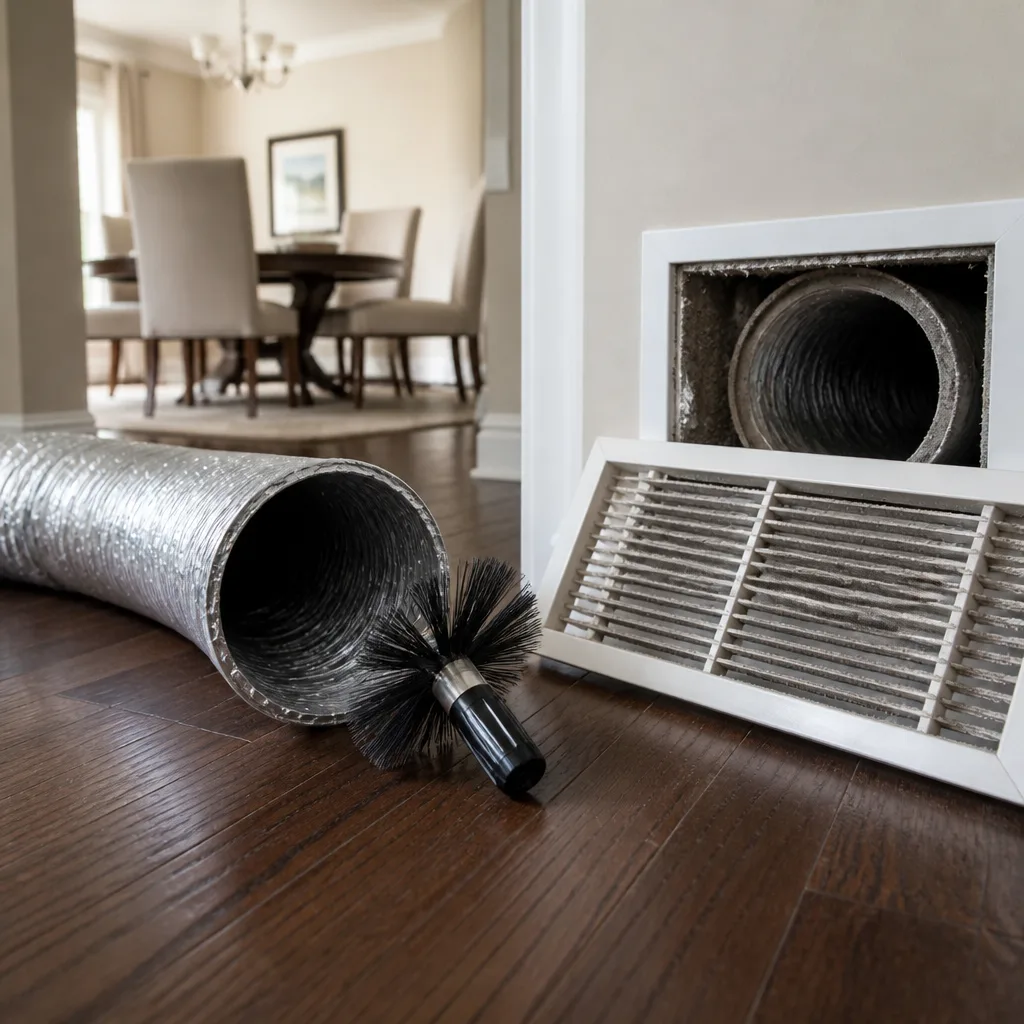 Whole-home duct cleaning
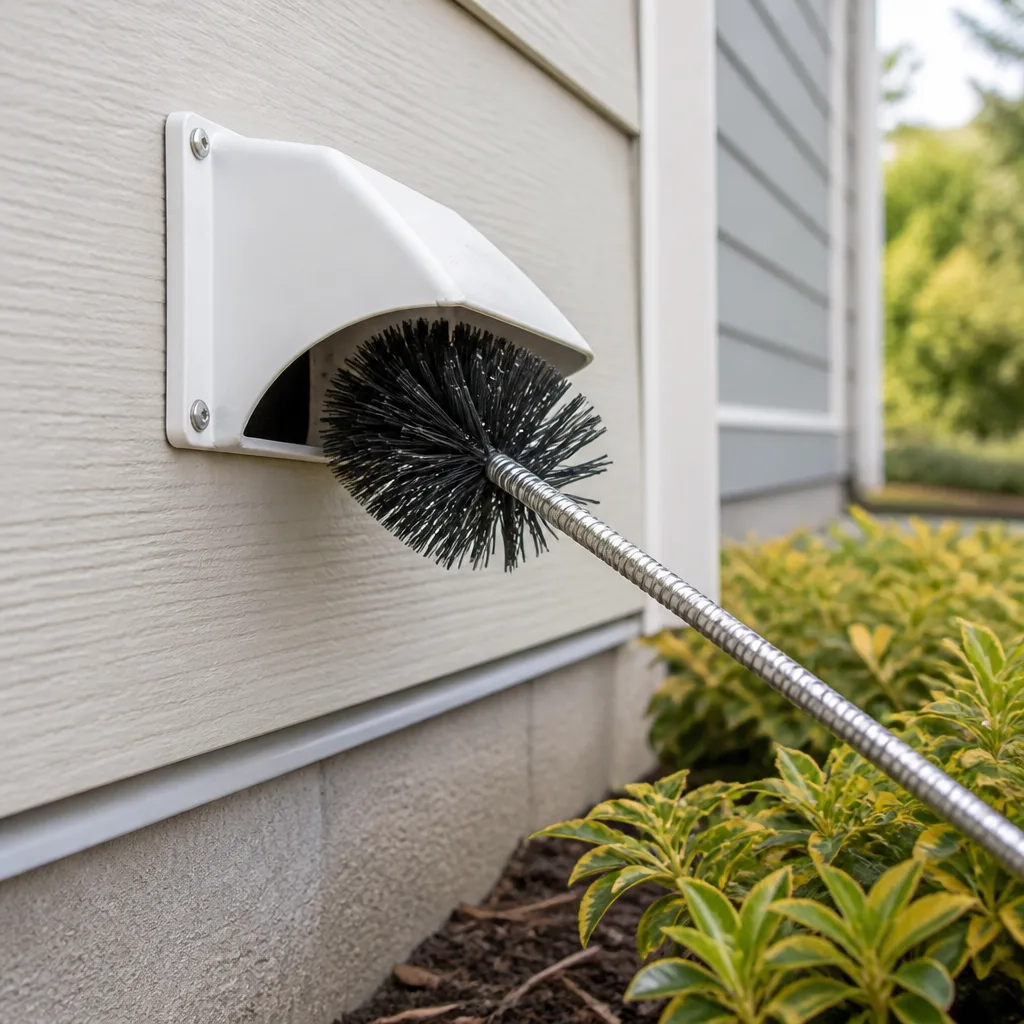 Dryer vent cleaning
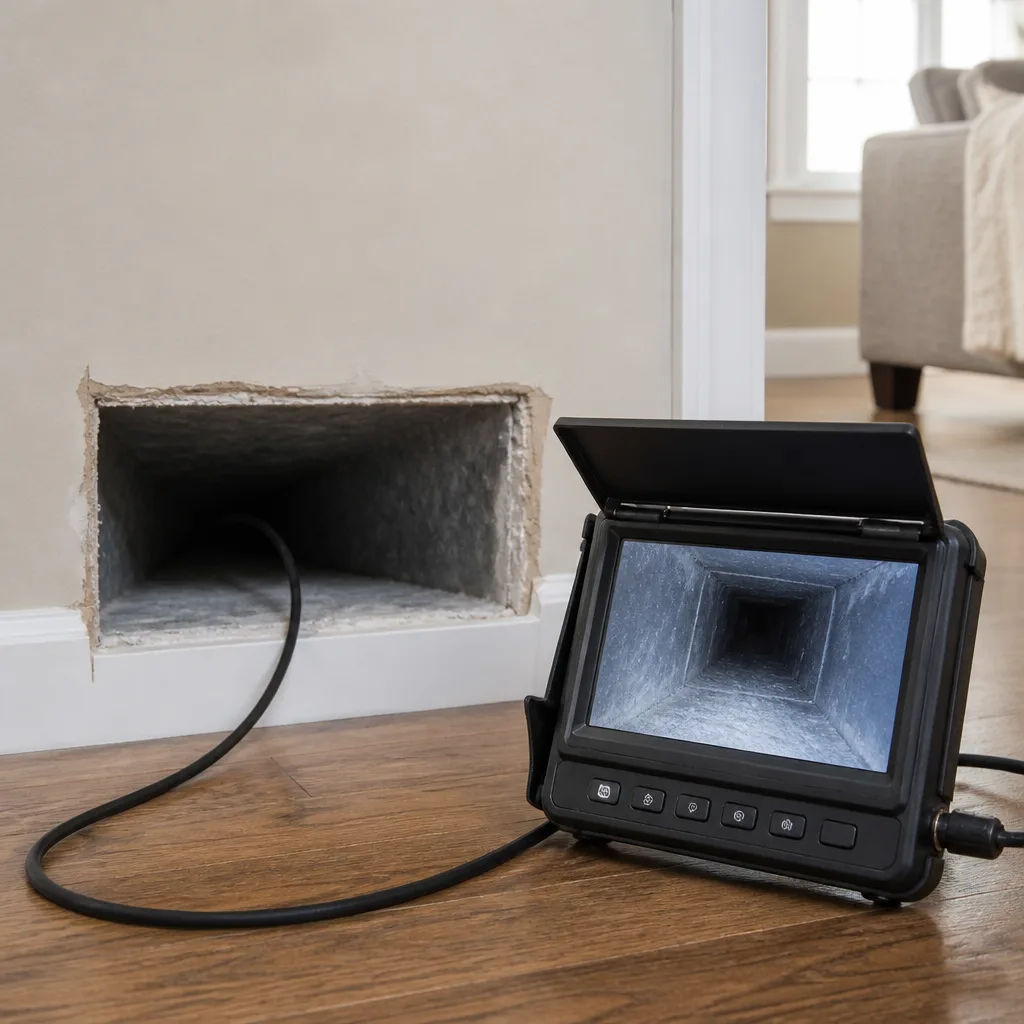 Camera inspection
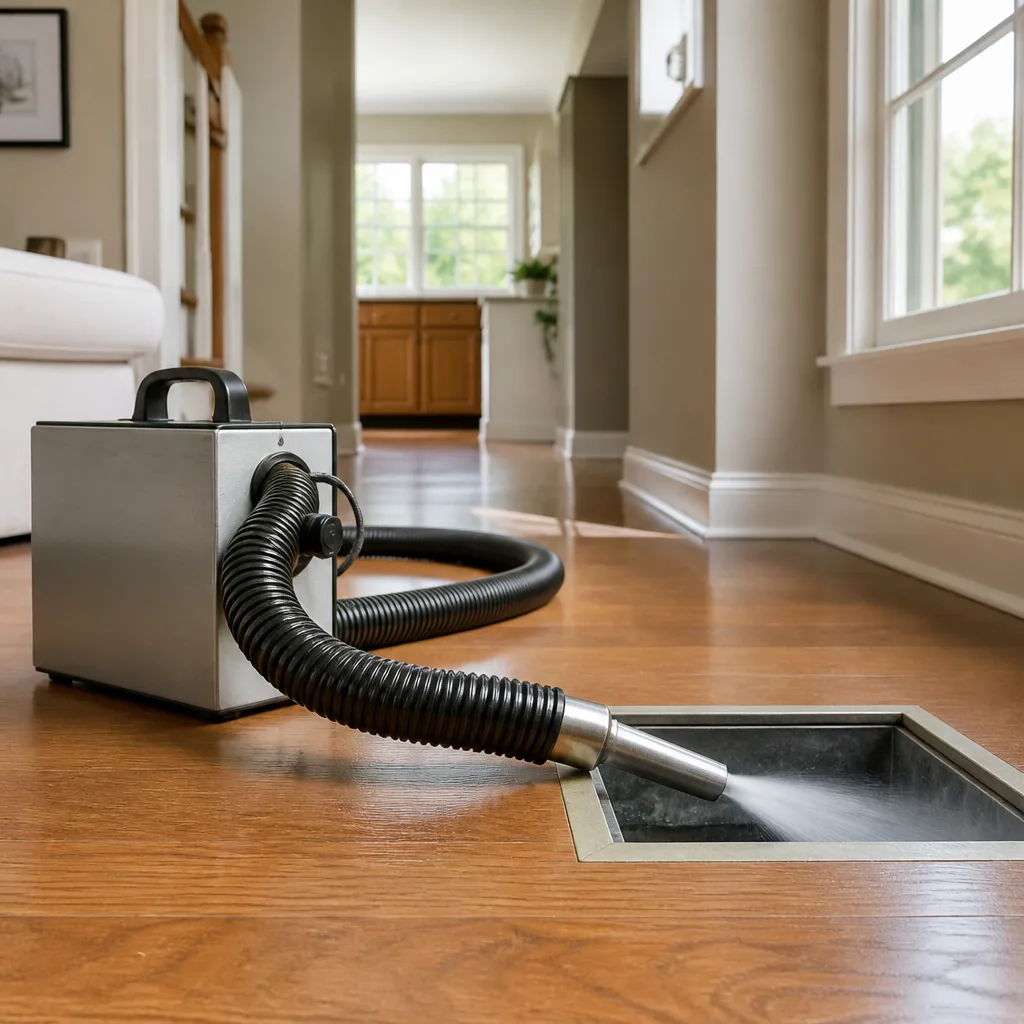 Sanitizing & deodorizing
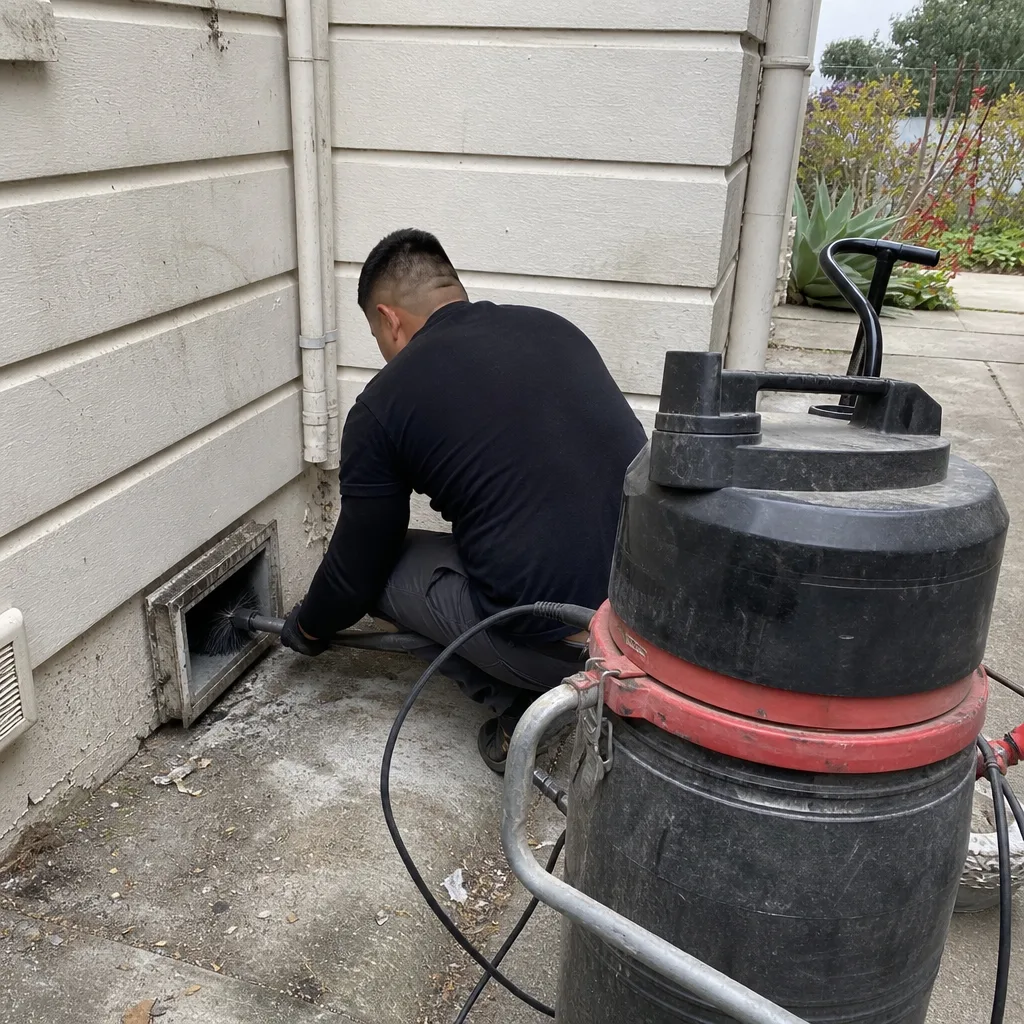
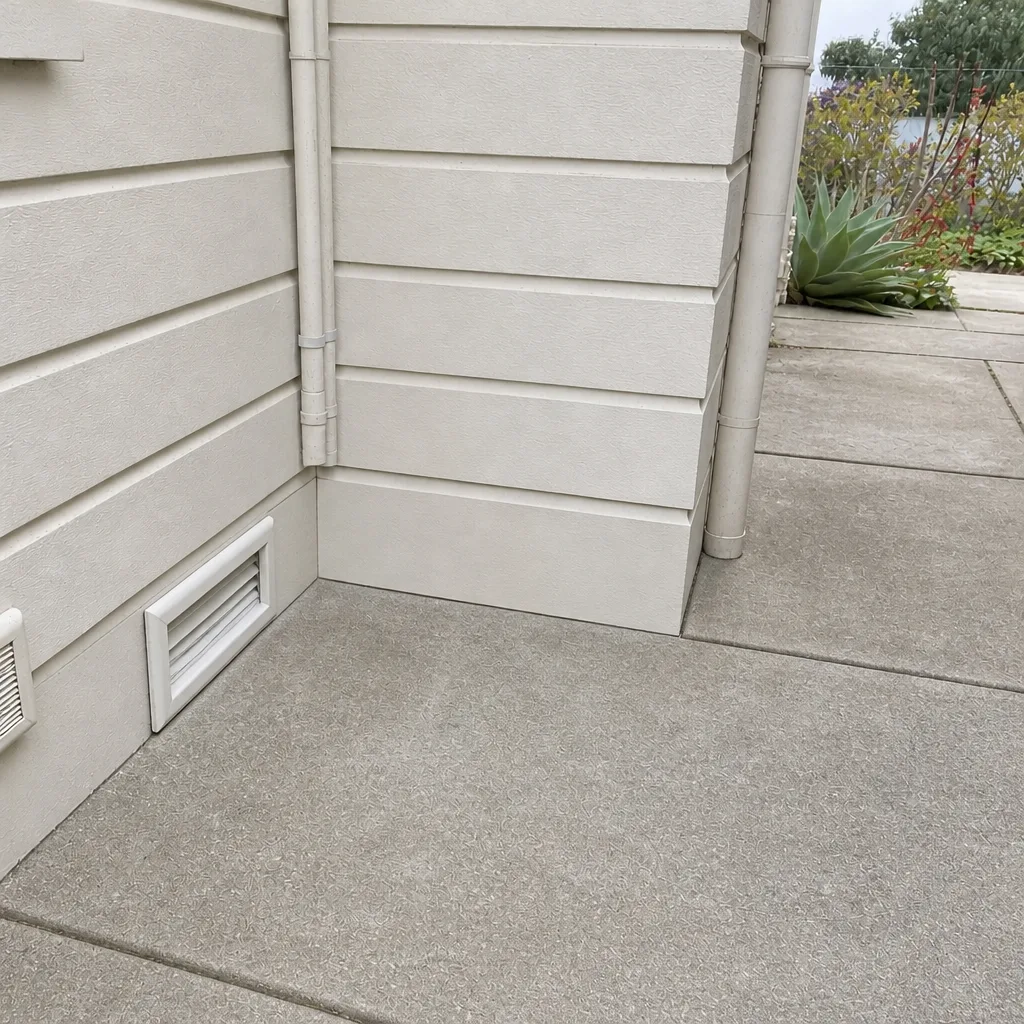
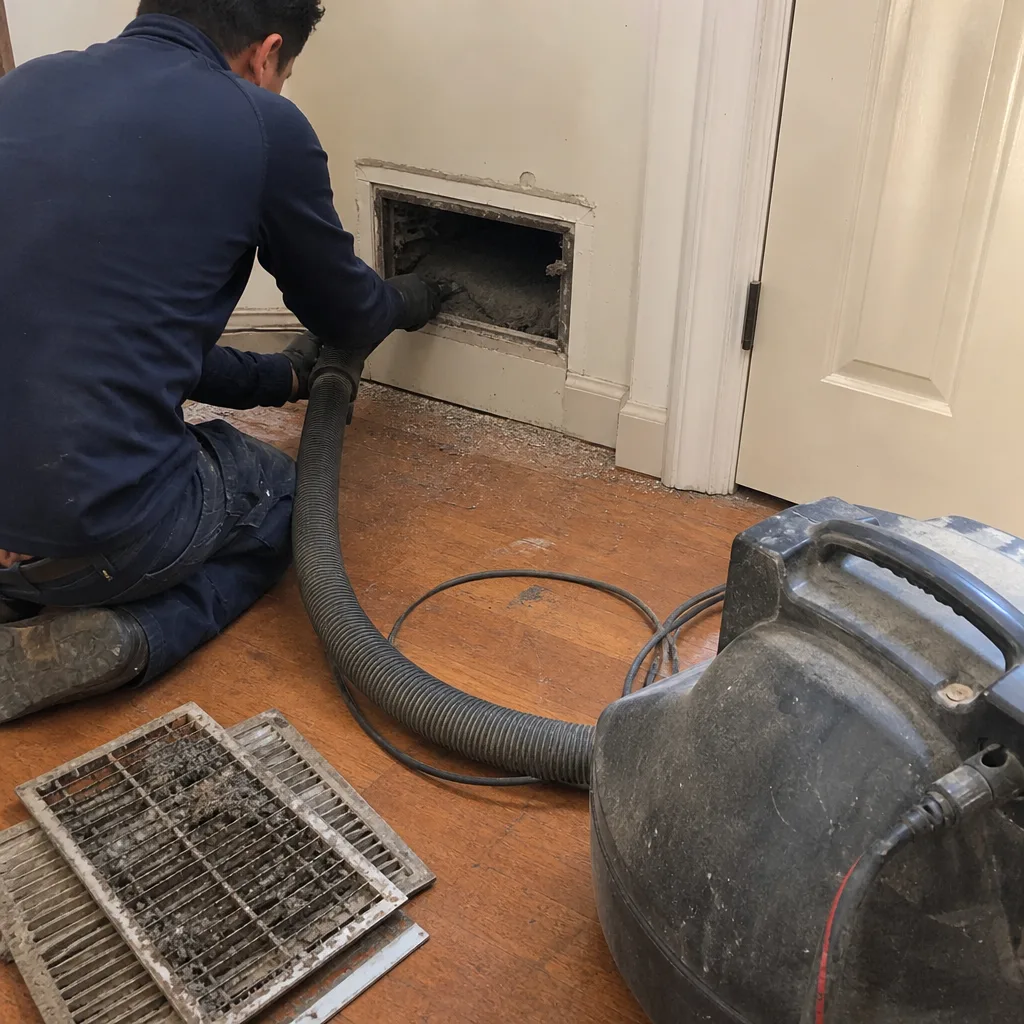
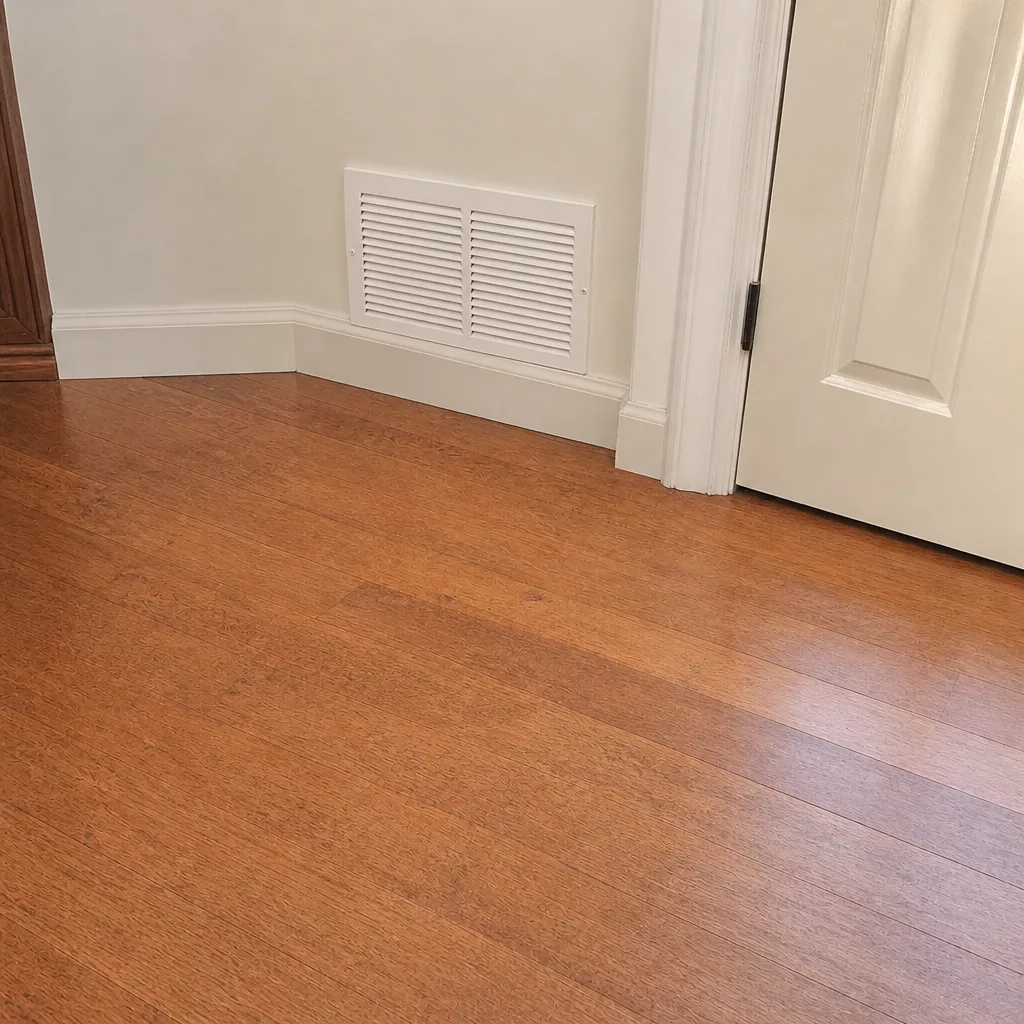
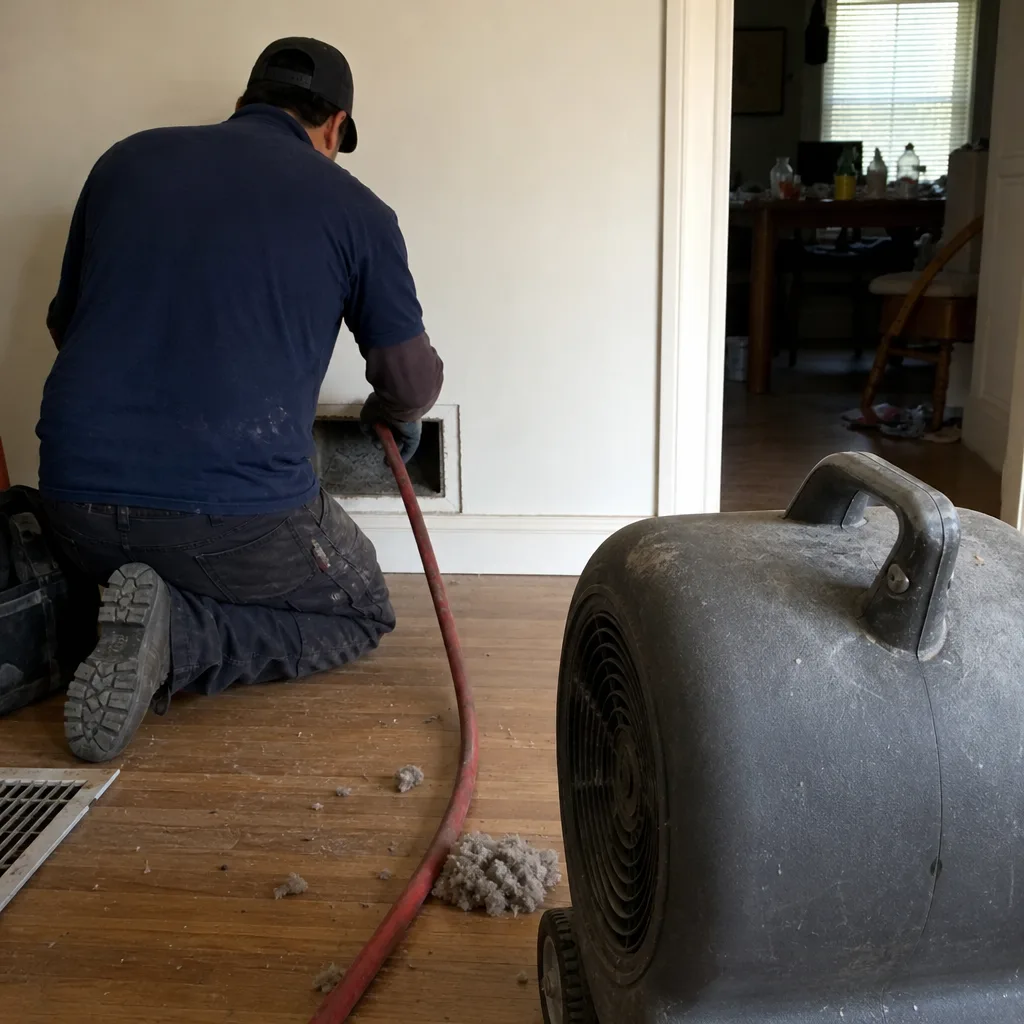
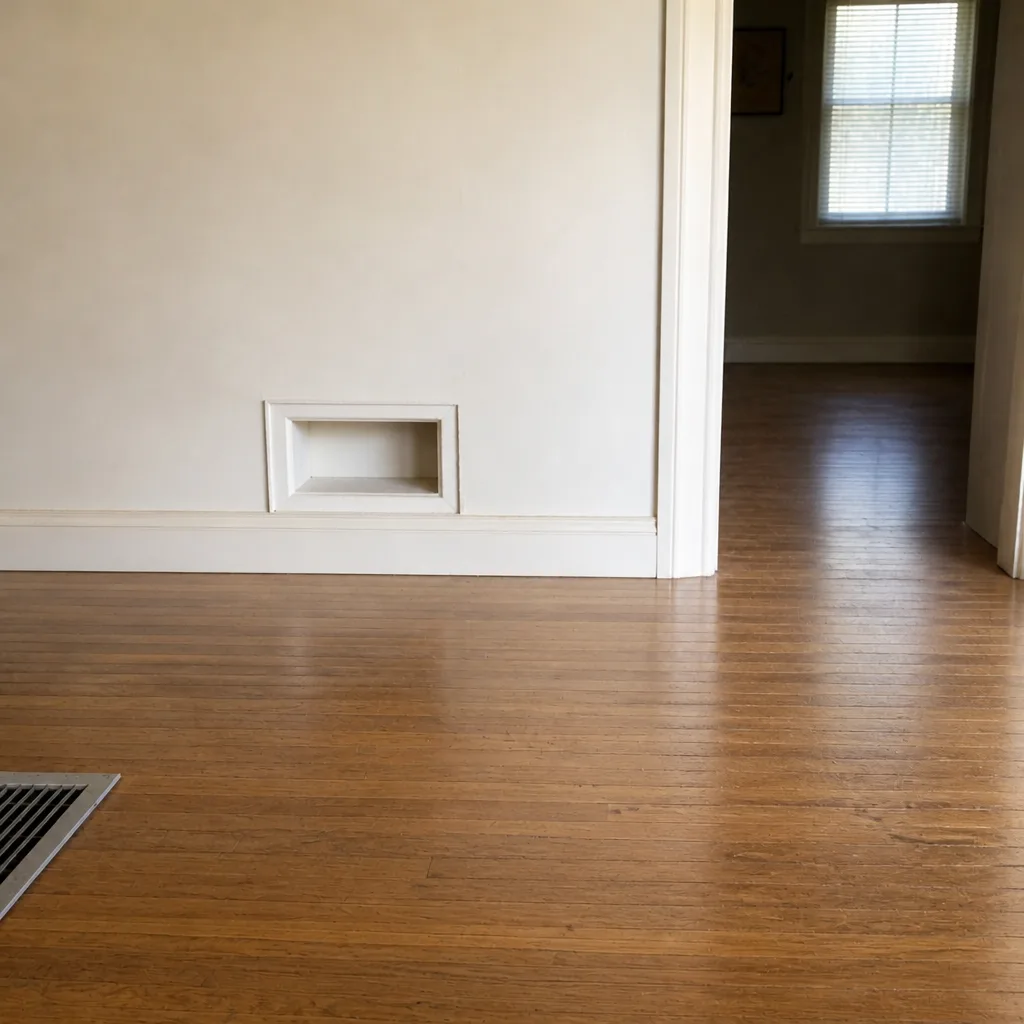
Whole-system duct and dryer vent check with before-and-after photos - you see exactly what came out of your vents
That "$99 whole-house special" is a bait ad - the real number appears once they are in your hallway, or the "clean" is a shop-vac at the register. We photograph the inside of your ducts before and after instead.
Air Duct Cleaning Cost Breakdown: The San Mateo Homeowner’s Reference for 2026
Most homeowners assume the cheapest duct cleaning quote they get is either a mistake or a bargain. Neither is true. A very low advertised number is a business model, and the difference between that model and a legitimate specialized job often comes down to the equipment on the driveway and what happens after the technician arrives. In San Mateo, where older Peninsula housing stock, tight attics and mixed duct materials change what a real cleaning takes, those cost differences are larger than most people expect. This guide breaks down each line of a duct cleaning quote so you can read one like a contractor instead of guessing at the middle number.
Styles & brands we work with
- Whole-home duct cleaning
- Dryer vent cleaning
- Camera inspection
- Sanitizing & deodorizing
Quick Answer
Typical air duct cleaning in San Mateo runs roughly $450 to $1,200 for a whole-house system, depending on duct count, return configuration and access difficulty, not on square footage alone. If your ducts test positive for microbial growth and need containment-level remediation, expect the job to climb into a higher tier. The single most useful thing you can do before you receive a quote is understand what each line item represents, which is exactly what follows.
Table of Contents
- What Are the Line-Item Costs of a Real Duct Cleaning?
- Why Square Footage Is a Bad Proxy for Price
- How Do You Self-Estimate Before Getting Quotes?
- What Does Mold-Positive Remediation Add to a Job?
- Which Add-Ons Are Legitimately Priced and Which Are Padding?
- What Costs More in San Mateo Specifically?
- What Equipment Are You Paying For?
- Common Mistakes to Avoid
- When to Call a Professional
- Frequently Asked Questions
What Are the Line-Item Costs of a Real Duct Cleaning?
A legitimate duuct cleaning quote is built from five cost lines: negative-pressure equipment, rotary brush consumables, camera scope time, labor tied to access points, and debris disposal. When you understand these five components, you can tell whether a quote is priced for real work or priced to get a technician through the door. In San Mateo, where labor and jobsite logistics carry a higher cost than in many inland markets, those lines land higher than what a national average chart might suggest.
Here is how those components break down in concept, without quoting a specific vendor:
- Negative-pressure equipment: A HEPA-filtered unit large enough to hold a house system under vacuum for an entire job has a real amortized cost per use. Portable shop-vac rigs don’t create that continuous vacuum.
- Rotary brush consumables: Rotobrush systems use flexible drive shafts, brush heads and filters that wear. Those consumables are part of what a quality clean actually costs.
- Camera scope time: Running a camera to inspect duct interiors before and after takes labor and equipment. This is also how before-and-after photos of your own system become possible.
- Labor per access point: Every register, return grille and plenum connection has to be accessed, cleared and reset. A home with twelve registers takes measurably longer than a home with six.
- Debris disposal: Captured material has to be bagged and hauled, which is a hard cost.
When a quote comes in far below any legitimate provider in the same market, one or more of these lines has been removed. Usually it’s the first three. That’s the fundamental gap between a specialized job and a promotional one.
Why Square Footage Is a Bad Proxy for Price
Duct counts and layout complexity drive cost, not floor area. A 1,200-square-foot bungalow with a single central return and straight trunk runs might clean faster than a 1,000-square-foot home with three return configurations and a low-slope attic, because the second home has far more access points and more complexity per square foot. San Mateo’s housing stock, which ranges from mid-century ranch homes to older split-levels and additions, is exactly where square footage fails as a predictor.
Three variables matter far more:
- Duct count and register count: Count every supply register and every return grille. Each one is an access point and a labor increment.
- Return configuration: One central return and a distributed return system with multiple grilles are very different jobs in both time and equipment setup.
- Access difficulty: A duct run reachable from a spacious crawlspace and one that requires working through a limited attic hatch have very different time costs.
We’ve seen quotes where the pricing was quoted per-vent, which effectively makes the comparison impossible because it’s a measure of convenience rather than real scope. A whole-system price, agreed in writing before work begins and set per job, is the only figure you can compare apples to apples.
How Do You Self-Estimate Before Getting Quotes?
You can get a rough ballpark before making a single phone call by using a simple count method and applying the variables that matter. This isn’t a substitute for a written estimate, but it helps you decide whether a quote looks rational before you take the call.
- Walk the house and count every supply and return register. Write down the total. This is your primary cost driver.
- Note where the returns are concentrated. One central return, or multiple distributed returns?
- Check attic and crawlspace access. How large is the hatch, and what’s in the way of the duct runs?
- Look at the system age and materials. If there’s a mix of older metal ductwork and newer flex duct, note that. Mixed systems add inspection and handling time.
- Photograph any visibly damaged spots, gaps or disconnected joints. Repair-capable providers will evaluate these as part of the quote.
Bring that count and those photos to every quote call. You’ll get more honest ranges because the provider knows you understand the variables. For San Mateo homes, where moderate winter temperatures keep HVAC systems in year-round use, the system layout rather than the season is the best predictor of what cleaning will cost.
What Does Mold-Positive Remediation Add to a Job?
When inspection finds documented biological contamination, the job transitions from cleaning to remediation, and the equipment class changes. Remediation-level work requires containment, HEPA filtration rated for fine particulates and controlled disposal. This is where the gap between a cleaning-only provider and a contractor equipped for contamination work becomes most visible, and where Abatement Technologies equipment comes into play. That standard is used in professional mold and contaminant remediation work, not in routine dust cleaning.
What a remediation quote includes that a cleaning quote doesn’t:
- Established containment: Physical barriers and negative pressure that prevent dislodged contaminants from migrating into living spaces during work.
- HEPA-rated filtration at the capture point: Not general-purpose vacuum filtration.
- Documented disposal protocols: Controlled bagging and removal of contaminated material.
- Post-remediation verification: Documentation that the work was completed to the standard it was started to.
The cost increase is real, and it’s justified when there’s documented contamination. What should raise a flag is a provider who lists “mold treatment” as an add-on without ever having identified the contamination inside your ducts. That’s not remediation; it’s an unpriced upsell. A provider using Nikro HEPA-filtered negative-air equipment has the hardware to address contamination properly, which is the standard you should hold any provider to.
Which Add-Ons Are Legitimately Priced and Which Are Padding?
There are real add-on services worth pricing separately, and there are margin-adders billed as necessities. The distinction is documentation. An add-on should be tied to something the technician actually found in your system, and you should be shown that evidence.
Legitimately priced add-ons:
- dryer vent cleaning: A genuine fire-safety service. Lint accumulation in dryer vents is a documented residential fire cause, and clearing a restricted vent is a discrete, verifiable job that deserves its own line item.
- Register and grille cleaning: Mechanical cleaning of registers themselves, which is part of a complete system clean in quality work.
- Coil inspection: Visual inspection of evaporator coils while the system is open. Useful for understanding airflow restrictions and efficient operation after cleaning.
Padding to watch for:
- Antimicrobial fogging without documented contamination. If there’s no inspection finding showing biological growth, fogging is treating an unidentified problem.
- UV light installation bundled at inflated cost. UV systems are legitimate components of some air-quality strategies, but they should be priced as products, clearly separated from cleaning.
We work with Honeywell and Aprilaire air-quality systems, which means when filtration or humidity control genuinely fits a home, we can recommend the right component from an informed position rather than bundling it into a cleaning bill.
What Costs More in San Mateo Specifically?
Older Peninsula homes with limited attic access make the labor portion of a duct cleaning quote higher than you’d expect from a national average. Many San Mateo houses have a very low attic hatch, aged insulation, or tightly packed mechanical spaces that require careful maneuvering. That’s time, and time is the biggest variable in the labor line. Labor rates in the San Mateo market run on the higher side of the Bay Area, which affects the total for any job requiring a full crew-day.
A second San Mateo cost factor is system age and duct material mixing. Many Peninsula homes began with original sheet metal ductwork to which flex duct runs were later added. A system with both original and added flex requires different cleaning techniques at different points, more camera scope time to trace the runs, and more careful pressure management. That complexity adds both time and equipment-setup cost.
The third factor is asbestos. Some homes of a certain age have duct tape or sealant containing asbestos, particularly at joints and seams. When that’s suspected or confirmed, a stop-work protocol applies and the affected connection point has to be treated correctly. This is a genuine cost driver specific to older housing stock, and a provider who fails to identify it isn’t saving you money; they’re creating a safety and liability problem. You’ll encounter these same factors if you need air duct cleaning in the surrounding area, because the age of the housing stock follows the same pattern.
What Equipment Are You Paying For?
The equipment difference is the single most reliable marker of a legitimate price. A truck-mounted or high-capacity portable negative-pressure unit, a Rotobrush rotary cleaning system and camera equipment represent real capital, and no business can send that to your home and complete a full system for a very low price. When you receive a quote that seems far below the market, the equipment on the driveway when the technician arrives will usually explain why.
What each piece of equipment contributes to the job:
- Negative-pressure unit: Holds the entire duct system under continuous vacuum while debris is dislodged, with HEPA capture at the exhaust. Without it, dust is redistributed, not removed.
- Rotobrush rotary system: Mechanically scours duct walls with a rotating brush rather than relying on loose air movement. This is why the difference in outcome between a proper cleaning and a vacuum pass is visible.
- Nikro HEPA negative-air equipment: Captures dislodged debris rather than moving it into your living space, which matters especially during remediation-level work.
- Camera scope: Lets the technician confirm condition before and after, and generates the before-and-after evidence that separates verifiable work from claims.
Our technicians have up to 10 years of experience operating this class of equipment. That matters because a rotary brush system is only as good as the hands running it, and a generalist crew using unfamiliar gear can cause damage as easily as it cleans.
Common Mistakes to Avoid
- Choosing the lowest quote without asking about equipment. Ask what negative-pressure equipment and what type of rotary cleaning system will be used. A vague answer is the answer.
- Avoiding quotes by per-vent pricing. Per-vent quotes distort comparison. Ask for a whole-system price in writing before any work begins.
- Accepting mold fogging without a documented finding. If there’s no inspection documentation showing contamination, the treatment isn’t addressing anything confirmed in your system.
- Forgetting to ask about duct repair capability. A cleaning-only provider that finds a disconnected or crushed run will tell you to call someone else. Repair capability belongs in the scope, if not the original quote.
- Skipping the dryer vent because you weren’t asked. The dryer vent is a safety concern and is worth pricing on the same visit, because a second trip costs more than adding it to a scheduled job.
- Not asking for before-and-after photos after the work. If a provider can’t show you what they found and what they removed, you have no way to verify the job was actually done.
- Assuming San Mateo’s mild winters make duct cleaning unnecessary. Year-round HVAC use and moderate humidity is exactly the combination that lets dust and biological growth accumulate across heating and cooling season.
When to Call a Professional
Call a specialist when you notice persistent dust settling on surfaces shortly after cleaning, when anyone in the household has allergy or respiratory response that seems tied to the HVAC system, when you smell a musty odor near a supply register, or when your system’s airflow has noticeably dropped. Visual signs matter too: visible dark patches in a register throat, excessive dust around the return, or a dryer that’s taking unusually long to dry a load are all reasons to get a professional inspection rather than wait another season.
Duct Cleaning San Mateo offers free estimates in San Mateo – call (866) 894-2153. We answer 24/7. Fast dispatch from 7am to 7pm, Sunday through Friday. We use contractor-grade Rotobrush rotary equipment and Nikro HEPA negative-air systems, and we offer duct repair as a standalone service so damaged runs found during cleaning don’t become a separate problem.
Frequently Asked Questions
Licensed, whole-system duct cleaning in San Mateo typically runs $450 to $1,200, depending on duct count, return configuration and access difficulty, with remediation-level jobs costing more. The written estimate sets the final price, and we offer one flat price per system agreed before work starts, not per-vent pricing. Call (866) 894-2153 for an exact quote; estimates are free.
Very low quotes are usually priced around a different business model: arrive with portable equipment, spend 30 to 45 minutes, and upsell additional treatments. The equipment difference shows up immediately at the driveway. If a technician pulls up with a shop vac rather than a high-capacity negative-pressure unit and rotary cleaning system, you know what that quote represents. Call (866) 894-2153 for a straightforward explanation of what our quotes include.
Before-and-after photos of your own ductwork, taken with a camera scope, are the direct evidence. Ask any provider to show you the before-and-after images for your system, not just stock photos. That’s part of what our crew does as standard practice. Call (866) 894-2153 to ask about photographic documentation, which is provided as part of the job.
Most homes need duct cleaning every three to five years, but the right interval depends on pets, occupants with allergies, recent renovation or construction dust, and whether the ducts have been inspected recently. There’s no fixed rule that applies to every house, so a fresh inspection is a better guide than a calendar. Call (866) 894-2153 to check whether your system is due; estimates are free.
Yes – mold-positive remediation is a different category of job than standard cleaning, because it requires containment, HEPA-rated filtration and controlled disposal protocols. That work is priced separately once documentation confirms contamination. If a provider adds mold treatment to a quote without having identified it during inspection, that’s a red flag. Call (866) 894-2153 to book an inspection that comes with proper documentation.
Often, yes, because air duct repair is a service we offer on its own rather than as an add-on. When we find disconnected joints, crushed runs or leaking seams during cleaning, we can scope the repair inside the same visit plan, and repair is quoted separately in writing. Call (866) 894-2153. We answer 24/7. Fast dispatch from 7am to 7pm, Sunday through Friday.
Yes – dryer vent cleaning is a distinct service and should be priced separately, because it’s a different job with a different safety rationale. A restricted dryer vent is a documented fire risk, not a cosmetic issue. If you want both cleaned, we’ll quote each as its own line item. Call (866) 894-2153 for a combined estimate.
The Bottom Line
The cost of air duct cleaning in San Mateo makes sense once you see where each dollar goes: negative-pressure equipment, rotary brushes, camera inspection, access-point labor and disposal. Quote readings that rely only on square footage or a per-vent rate tell you how pricing was built to be marketed, not how the job is actually done. The comparison that holds is whole-system scope, contractor-grade equipment on the truck, before-and-after photos, and duct repair capability in the same scope. We’re a duct and dryer vent specialist rather than an HVAC generalist, and we’d rather explain each line than give you a number you can’t verify.
If you’ve been comparing quotes and are still unsure which one reflects actual work, call Duct Cleaning San Mateo at (866) 894-2153 for a free estimate. We answer 24/7. Fast dispatch from 7am to 7pm, Sunday through Friday. We offer clear, itemized estimates, contractor-grade equipment and before-and-after photos as standard practice, plus duct repair as a standalone service so a damaged run doesn’t become a separate project.
Written by the team at Duct Cleaning San Mateo.
See the difference
 Before
 After
 Before
 After
 Before
 After