
Last updated November 14, 2026
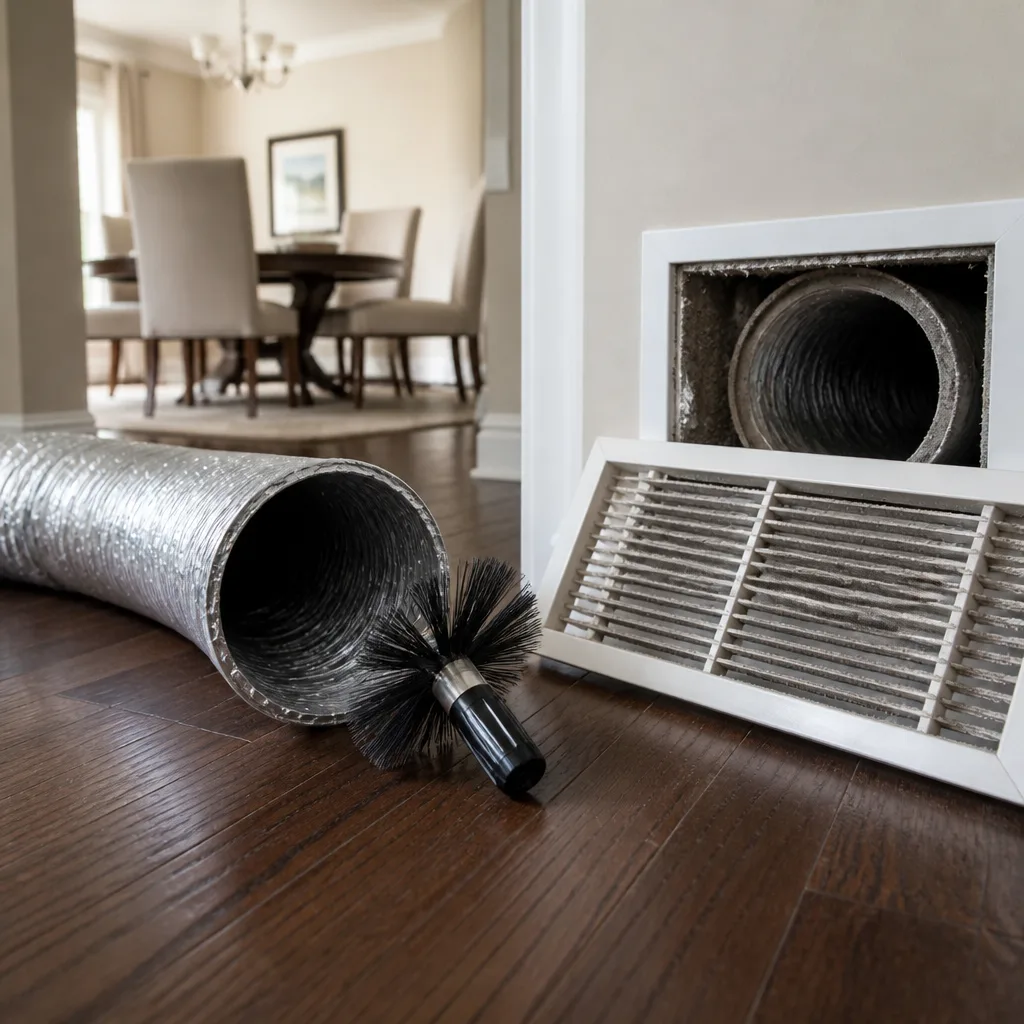 Whole-home duct cleaning
 Dryer vent cleaning
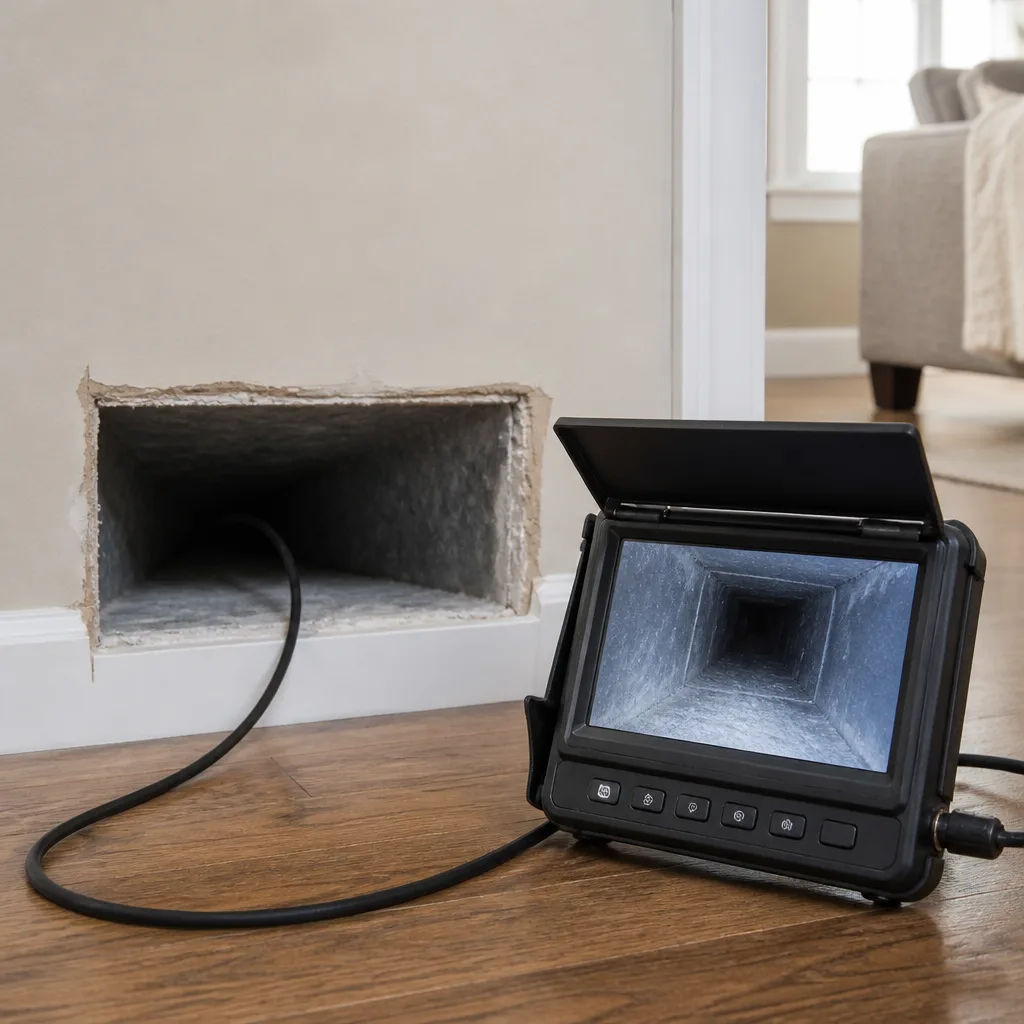 Camera inspection
 Sanitizing & deodorizing
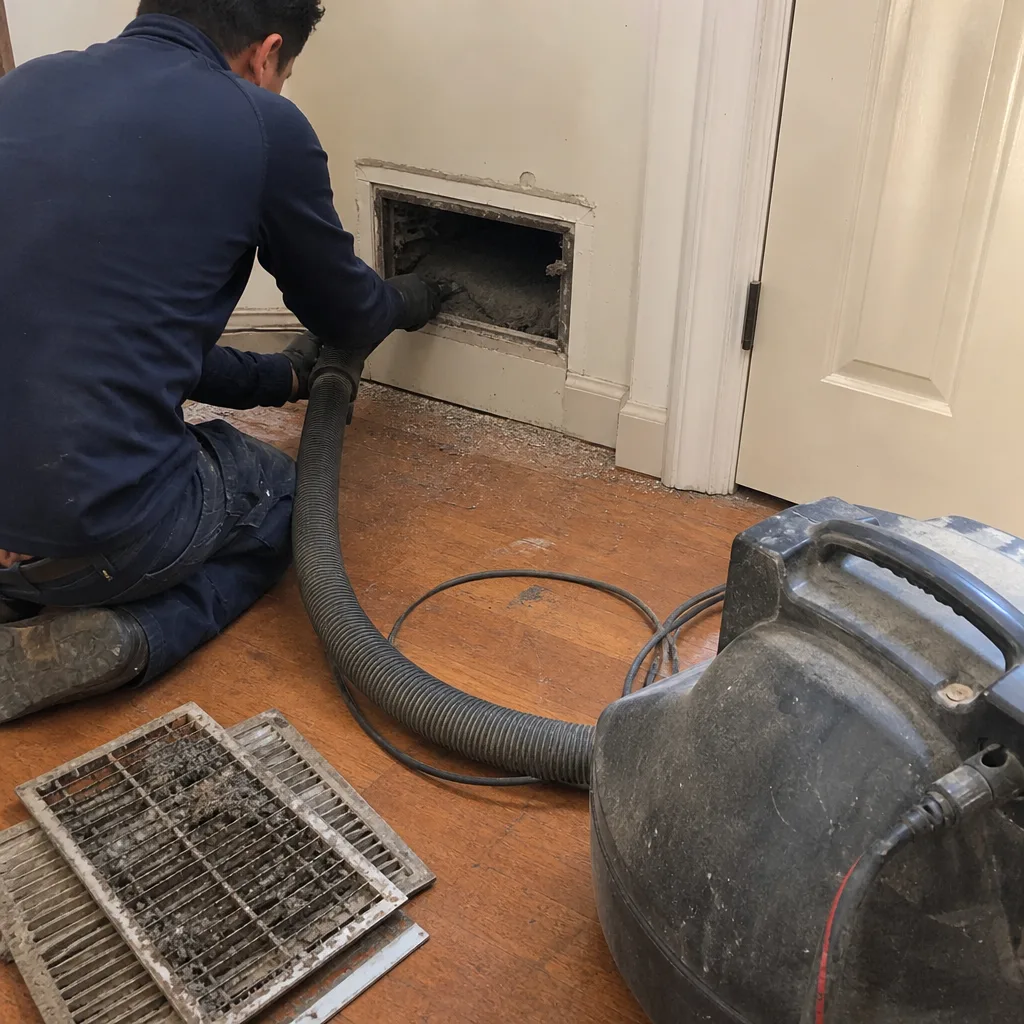
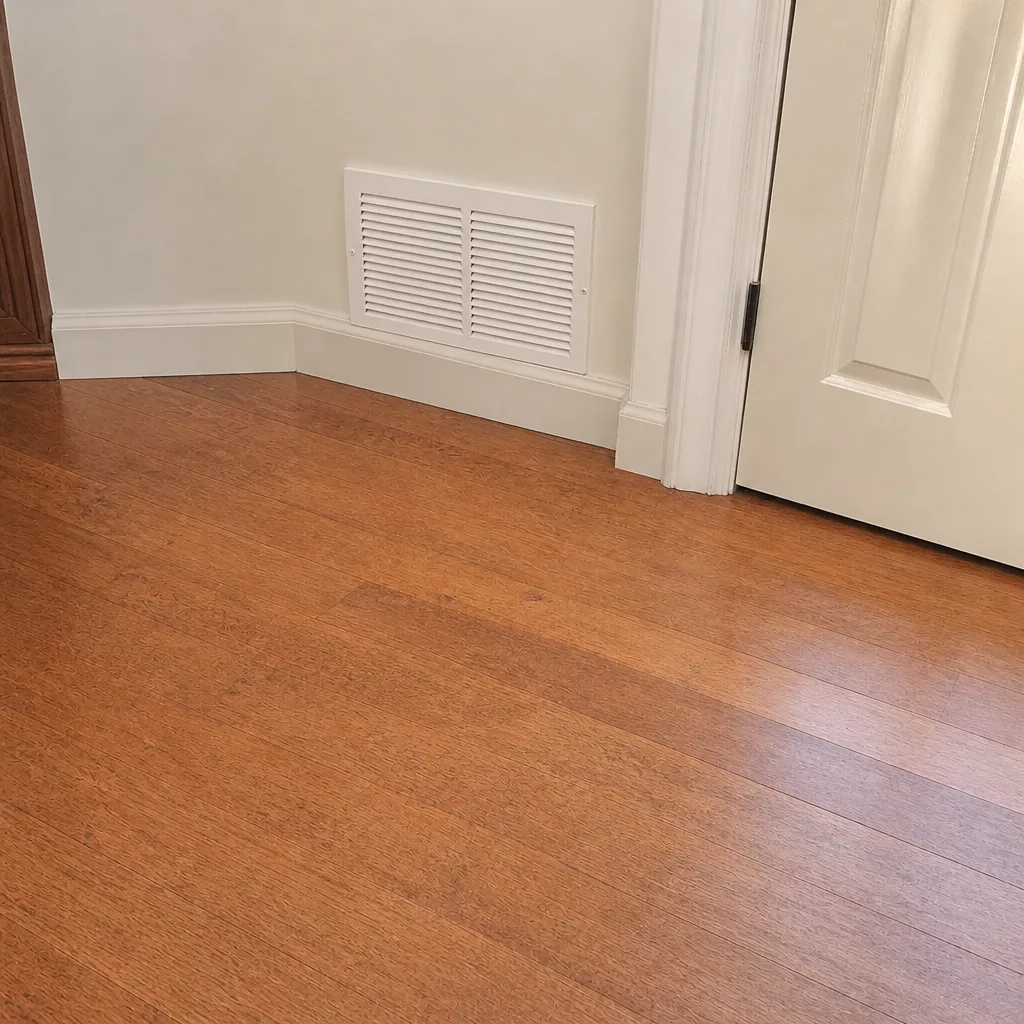
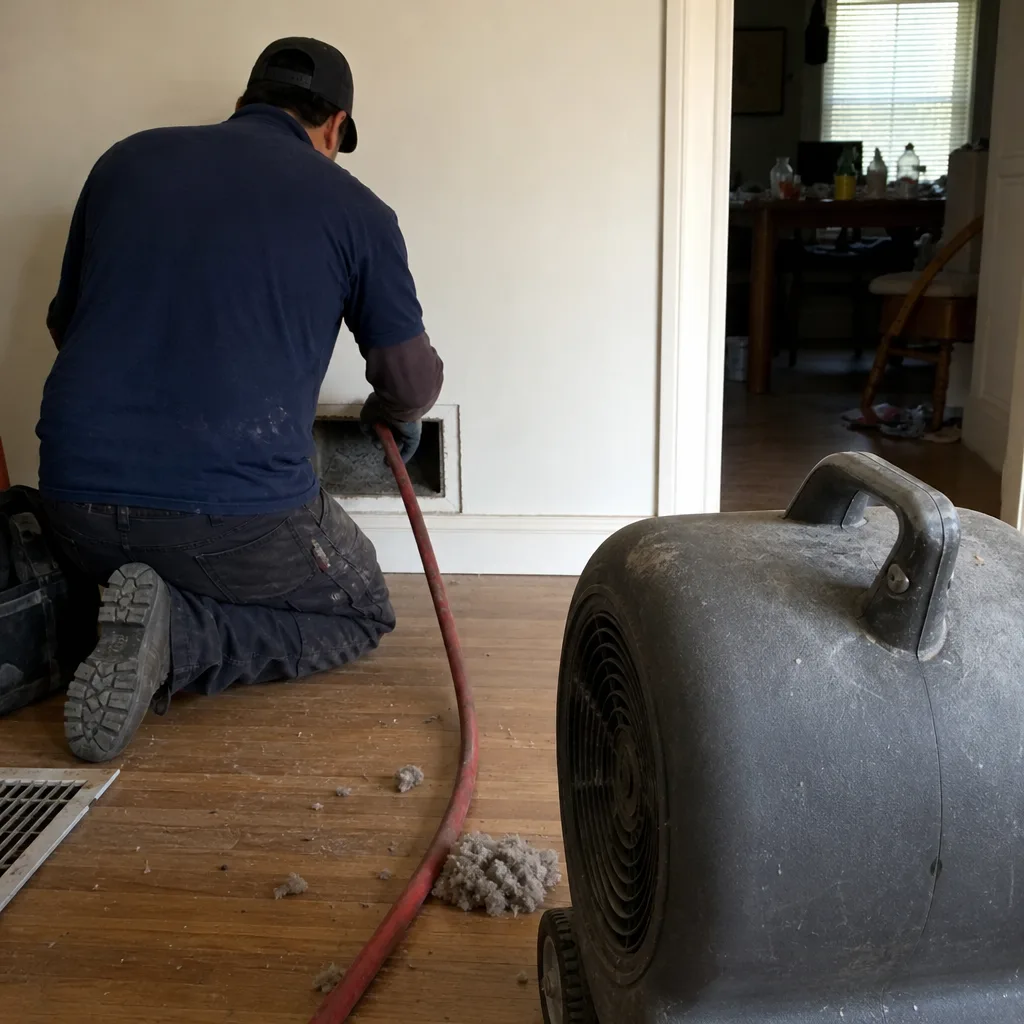
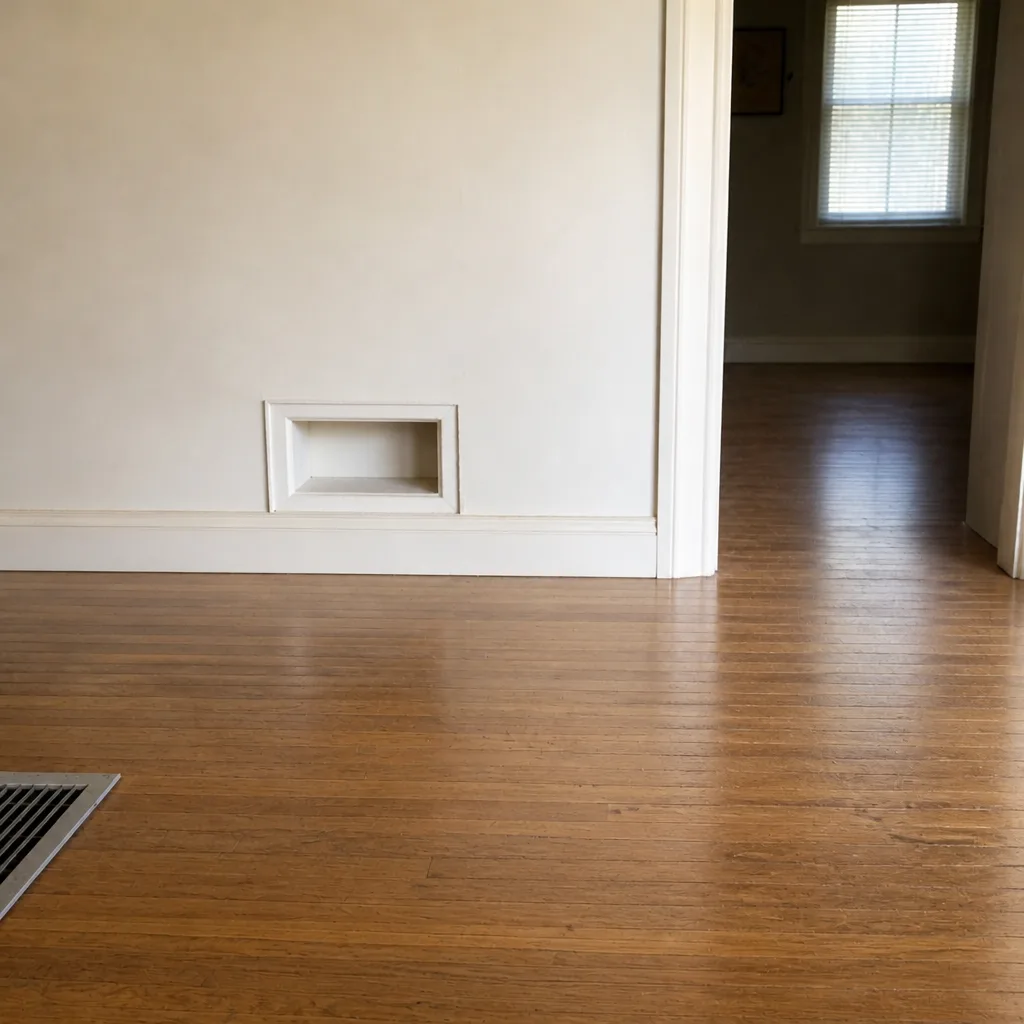
Whole-system duct and dryer vent check with before-and-after photos - you see exactly what came out of your vents
That "$99 whole-house special" is a bait ad - the real number appears once they are in your hallway, or the "clean" is a shop-vac at the register. We photograph the inside of your ducts before and after instead.
Air Duct Cleaning Permits, Codes & Inspections in San Mateo, CA: What You Need to Know
Most homeowners assume duct cleaning is either fully regulated or not regulated at all. The truth sits in a narrow gap. Cleaning the inside of ductwork that stays where it is usually needs no permit in California. But the moment a job involves replacing duct runs, moving a register, or sealing joints in a way that changes how the system moves air, you’ve crossed into mechanical work that can require a permit, an inspection, and a paper trail. This guide walks through exactly where that line falls in San Mateo, how mold and asbestos rules change the picture in older homes, and what to get in writing before anyone starts.
Quick Answer
Routine duct cleaning in San Mateo generally does not require a permit. Duct replacement, relocating registers, or sealing that alters system static pressure can require a mechanical permit and inspection under California code. Homes built before 1978 also bring asbestos rules into play, and mold-contaminated duct insulation can shift a cleaning job into remediation territory with different contractor requirements.
Styles & brands we work with
- Whole-home duct cleaning
- Dryer vent cleaning
- Camera inspection
- Sanitizing & deodorizing
Table of Contents
- Where does California draw the line between cleaning and mechanical work?
- How do San Mateo permit rules apply to duct work?
- What does Title 24 require when duct sealing is part of a cleaning job?
- When does mold turn a cleaning job into remediation?
- What do asbestos rules mean for pre-1978 homes in San Mateo?
- What happens during a duct inspection, and who performs it?
- What should you confirm in writing before work begins?
- Common mistakes to avoid
Where Does California Draw the Line Between Cleaning and Mechanical Work?
The line is about whether the duct system itself is being altered. Cleaning removes debris from a system that stays as it is. Mechanical work changes the system’s components or configuration. California’s mechanical code treats duct systems as part of the mechanical installation, which is why work that modifies them falls under permit requirements while maintenance does not.
Here’s how the split usually looks in practice:
- No permit typically required: source removal cleaning of existing ductwork, brushing and vacuuming, sanitizing the interior of ducts that stay in place, dryer vent clearing.
- Permit potentially required: replacing flex duct runs, changing duct size or routing, relocating a supply or return register, adding a new run, and sealing that measurably changes system static pressure.
- Depends on scope: replacing a section of damaged duct with like-for-like material, repairing a disconnected joint, or re-insulating duct that has lost its wrap.
The static pressure point matters more than most homeowners realize. A duct system is balanced around a specific resistance to airflow. Seal every joint aggressively without accounting for that balance and you can change how the system performs. That’s why sealing work that goes beyond minor joint repair is treated as a modification rather than maintenance. When we clean ducts in San Mateo, we note sealing opportunities but treat anything that changes the system’s airflow characteristics as a separate conversation with the homeowner, because that’s where permits and inspections become relevant.
One practical note: the rules apply to the work, not the invoice. A contractor who describes a duct replacement as “part of the cleaning” hasn’t changed what the work legally is.
How Do San Mateo Permit Rules Apply to Duct Work?
San Mateo issues permits through its building department, and mechanical permits for duct alterations follow the same application and inspection path as other mechanical work in the city. The permit requirement itself comes from California code, but the application, fee schedule, and inspection process are handled locally.
What that means for a homeowner:
- Ask whether a permit is required before work starts. The city’s building department can confirm this for your specific scope. A phone call or online inquiry resolves most questions.
- Confirm who pulls the permit. In most residential mechanical work, the licensed contractor pulls the permit and schedules the inspection. Get that responsibility confirmed in writing.
- Expect an inspection. Duct alterations that require a permit typically need inspection before the work is closed up or before the system is placed back in service.
- Keep the paperwork. Permit records and inspection sign-offs are the documentation a buyer’s inspector or an insurer will ask for later.
San Mateo’s housing stock spans a wide range of eras, from mid-century ranch homes to newer infill construction. Older homes often have duct systems that have been modified more than once, sometimes by previous owners without documentation. If a cleaning uncovers ductwork that was altered without a permit, that’s a conversation worth having with the city before you sell. Unpermitted mechanical work tends to surface during a home sale inspection, and resolving it retroactively is more involved than pulling the permit up front.
For a fuller picture of how we approach the cleaning side of this work in San Mateo, the local conditions shape what we typically find in older duct systems.
What Does Title 24 Require When Duct Sealing Is Part of a Cleaning Job?
Title 24 is California’s energy code, and it reaches duct work through duct leakage testing requirements. When a duct system is altered, the energy code can require that the system’s leakage be verified. Sealing work performed alongside a cleaning job can fall into that category depending on scope.
The practical distinction comes down to whether the system has been altered or simply maintained:
- Cleaning alone does not trigger Title 24 duct leakage testing.
- Duct sealing performed as a repair of minor joint leaks generally falls under maintenance.
- Duct sealing performed as part of an alteration to the system, or work that substantially changes the duct envelope, is where leakage testing requirements can apply.
This is where a specialist scope matters. A cleaning-only company finishes the job and leaves. A company that also handles duct repair has to think about the energy code implications of the sealing work it recommends. We carry Rotobrush rotary brush systems and Nikro HEPA-filtered negative-air equipment for the cleaning itself, and when we find duct work that needs sealing, we’re clear with the homeowner about whether the fix is a simple repair or something that touches the energy code.
Ask any contractor doing sealing work on your system two questions: whether the work is being treated as maintenance or alteration, and what that means for leak testing. A contractor who can’t answer both isn’t thinking about the code at all.
When Does Mold Turn a Cleaning Job Into Remediation?
Mold-contaminated duct insulation changes the job category. Standard duct cleaning removes dust, debris, and biological buildup from surfaces. Disturbing insulation or duct board that has active mold growth is remediation work, and the contractor requirements and safety precautions differ.
San Mateo County Environmental Health handles the public health side of mold concerns in the county. The distinction that matters most for a homeowner isn’t the regulatory path, it’s the practical one: remediation work is scoped to remove the contamination source, not just clean around it. If duct insulation has active mold growth, cleaning the duct interior without addressing the insulation leaves the source in place.
Here’s how to think about the split:
- Surface dust and debris: standard cleaning, no containment needed beyond normal negative-air capture.
- Mold growth on duct surfaces: cleaning with proper HEPA containment and negative air pressure to prevent redistribution.
- Mold-contaminated insulation or duct board: remediation scope, which typically means removing the affected material, not cleaning it.
This is where Abatement Technologies equipment earns its place. Negative-air HEPA filtration is standard practice in professional mold and contaminant remediation because it captures dislodged particles rather than pushing them into living space. A crew running a portable vacuum without HEPA containment on a compromised system is redistributing what it finds.
If a cleaning contractor inspects your ducts and finds mold in the insulation, ask directly: is this a cleaning job or a remediation job, and what are they proposing to do about the insulation itself?
What Do Asbestos Rules Mean for Pre-1978 Homes in San Mateo?
Homes built before 1978 can contain asbestos in duct wrap, duct tape, and joint sealant. California’s asbestos regulations under Cal/OSHA govern how workers handle asbestos-containing material, and CARB rules address airborne asbestos. For a homeowner, the practical takeaway is that disturbing asbestos-containing duct material without proper handling creates a health hazard and a compliance problem.
Chrysotile asbestos was commonly used in duct insulation and in some duct tapes and sealants manufactured before 1978. It doesn’t announce itself. Duct wrap that looks like ordinary foil-faced insulation can contain it, and so can the tape used on joints. This matters because duct cleaning itself disturbs material, and repair work disturbs more.
What to do in a pre-1978 home:
- Ask the contractor how they handle pre-1978 duct material. A specialist should raise the topic before you do.
- Don’t assume cleaning is automatically safe. The question is whether the material being disturbed contains asbestos, and that’s not something you can determine by looking at it.
- Get the handling approach in writing. Anyone working on pre-1978 duct systems should be able to describe how they identify and handle potentially asbestos-containing material.
- Don’t pull or peel duct wrap yourself. Leave the material undisturbed until a professional assesses it.
Much of San Mateo’s housing was built in the decades when these materials were in common use, so the question comes up regularly. It’s one more reason duct work in this city rewards a specialist over a generalist crew that doesn’t ask the question.
What Happens During a Duct Inspection, and Who Performs It?
Two different inspections apply here, and they answer different questions. A city mechanical inspection verifies that permitted work was done to code. A contractor’s duct assessment identifies what needs cleaning or repair. Both are useful, but they’re not substitutes for each other.
City mechanical inspection: applies to permitted duct alterations. The inspector verifies the work against the approved scope and code requirements. This is the inspection that appears in your permit record.
Contractor duct assessment: applies to any job, permitted or not. At its best, it includes:
- Visual inspection of accessible duct runs, joints, and connections.
- Checking for disconnected or crushed flex duct, which is common in older systems.
- Reviewing insulation condition and looking for moisture or mold.
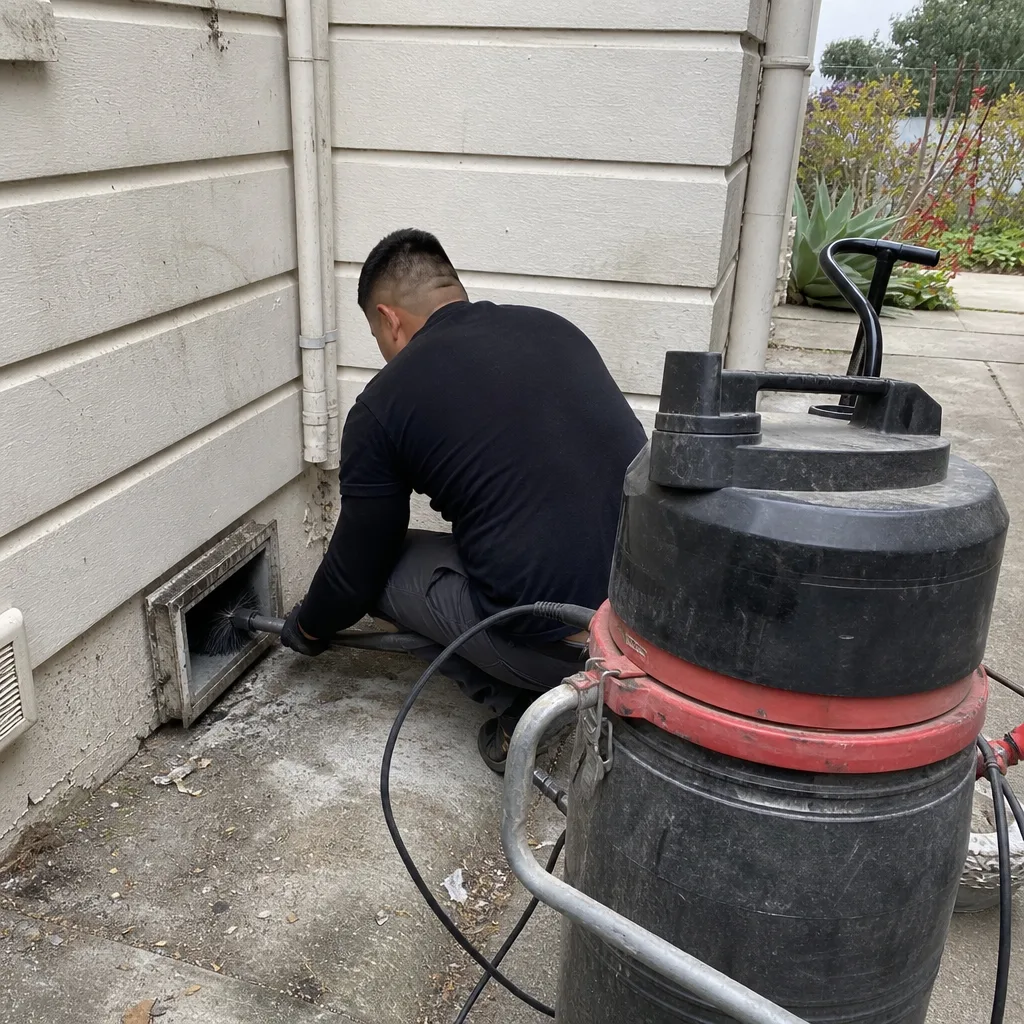
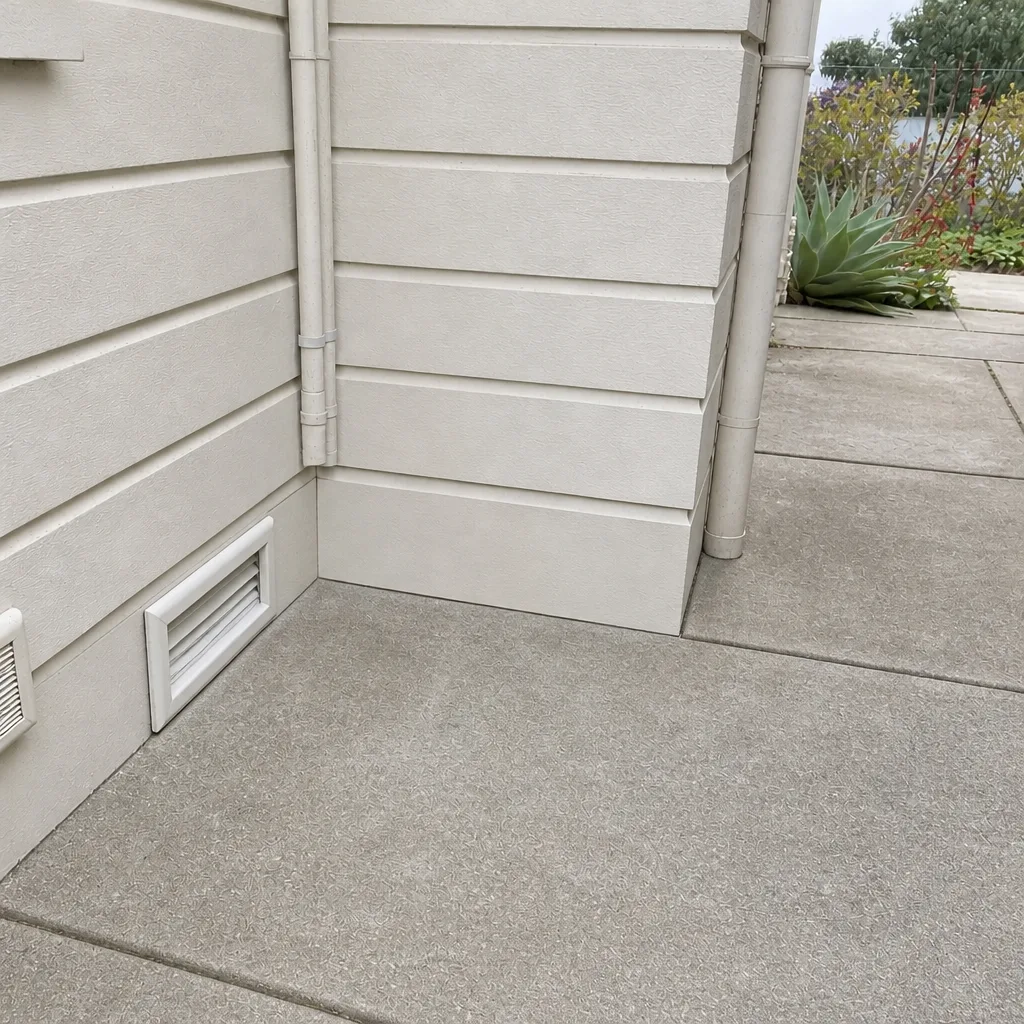
- Before-and-after photo documentation so the homeowner sees what was actually found and removed.
- A written scope of what cleaning, repair, or sealing the system needs.
We document every job with before-and-after photos because a homeowner shouldn’t have to take it on faith that the work happened. It’s also useful when duct work comes up during a home sale, since photos of the work performed are one more piece of the record.
If you’re scheduling air duct cleaning, ask whether the contractor photographs the system before and after. A crew that can’t show you what it found is asking you to trust a claim rather than see the evidence.
What Should You Confirm in Writing Before Work Begins?
Get the permit question settled in writing before the first piece of equipment comes out of the van. “We do this all the time without a permit” is a statement about habit, not about what the code requires for your specific scope. The written scope is what protects you if the work surfaces during a home sale or an insurance claim.
Here’s what to put in writing:
- Scope of work. Exactly what’s being cleaned, repaired, sealed, or replaced. “Duct cleaning” alone is too vague if sealing or repair is part of the job.
- Permit responsibility. Who pulls the permit if one is required, and confirmation that the contractor will handle the inspection. If no permit is required, get that confirmed for your specific scope.
- Equipment being used. Ask what cleaning equipment they’ll bring. Professional systems like Rotobrush and Nikro HEPA-filtered negative-air units operate differently from portable vacuums, and the difference shows in results.
- Before-and-after documentation. Confirmation that photos will be taken and shared with you.
- Handling of pre-1978 material. If your home predates 1978, how the contractor will approach potentially asbestos-containing duct wrap and tape.
- Price. A fixed price for the whole system scope, agreed before work starts, with the written estimate setting the final number.
- What happens if they find damage. Since this is a company that also handles duct repair, confirm whether repair work found mid-job will be scoped and priced separately in writing or included in the original estimate.
That last item is worth emphasizing. You can review the full scope of duct and vent services on our Duct Cleaning San Mateo page. If you also want dryer vent cleaning done while the crew is there, ask before the visit so it’s on the written scope rather than a verbal add-on.
Common Mistakes to Avoid
- Treating duct replacement as “part of the cleaning.” Replacing flex duct runs is duct work that may require a permit, no matter how the invoice describes it. The description doesn’t change what the work legally is.
- Not asking about permits in a pre-1978 home. Duct wrap and old duct tape can contain asbestos. A contractor who doesn’t raise the topic before disturbing the material hasn’t thought it through.
- Accepting “we do this all the time” as an answer. Habit is not code compliance. Get the permit question answered for your specific scope, in writing.
- Letting a crew clean mold-contaminated insulation instead of removing it. Cleaning the duct surface when the insulation is the contamination source leaves the problem in place.
- Skipping the before-and-after photos. Without documentation, you have no way to verify what was found or removed, which matters if the work comes up in a sale or an insurance claim.
- Hiring a generalist who only cleans. If a damaged joint or disconnected duct shows up mid-job, a cleaning-only company can describe the problem but not fix it. Confirm repair capability before you book.
- Over-sealing without thinking about airflow. Aggressive sealing that changes static pressure without accounting for the system’s balance is a modification, not maintenance, and it deserves a permit and an inspection.
See the difference
 Before
 After
 Before
 After
 Before
 After
When to Call a Professional
Call a professional if you’ve found mold on duct insulation, if your home predates 1978 and the ducts need any work beyond routine cleaning, or if a cleaning quote references duct replacement or register relocation and nobody has mentioned a permit. Those are the situations where getting it wrong is expensive to undo. A disconnected joint, crushed flex duct, or duct wrap that has peeled away also deserves an assessment before it gets worse. Duct Cleaning San Mateo offers free estimates in San Mateo. Call (866) 894-2153. We answer 24/7. Fast dispatch from 7am to 7pm, Sunday through Friday. Our technicians have up to 10 years of experience with residential duct systems.
Frequently Asked Questions
Routine air duct cleaning that leaves the duct system in place generally does not require a permit in California. Duct replacement, register relocation, new runs, and sealing that changes system static pressure can require a mechanical permit and inspection. When in doubt, call San Mateo’s building department with your specific scope and get the answer for your job. Call (866) 894-2153 for a free estimate and we’ll walk through what the scope involves.
Replacing duct runs is mechanical work that can require a permit, so it’s a separate scope from cleaning even when both happen on the same visit. The work itself is legitimate and often necessary, but the permit question should be settled before anyone starts. Ask the contractor to confirm in writing who pulls the permit and who schedules the inspection. Call (866) 894-2153 and we’ll include the repair scope in the written estimate.
Yes, it’s worth raising. Homes built before 1978 can have asbestos in duct wrap, duct tape, and joint sealant, and that material gets disturbed during cleaning and repair work. California’s asbestos rules under Cal/OSHA govern how workers handle it. Ask any contractor how they approach pre-1978 duct material before work begins. Call (866) 894-2153 to discuss your home’s era and what the assessment should cover.
San Mateo County Environmental Health addresses public health concerns involving mold in the county. When duct cleaning intersects with mold-contaminated insulation, the job shifts from cleaning to remediation, which changes the scope and the contractor requirements. The practical question for a homeowner is whether the insulation itself needs to come out. Call (866) 894-2153 and we’ll assess whether your job is cleaning or remediation.
Cleaning alone doesn’t trigger Title 24 duct leakage testing. The requirements come into play when duct sealing is performed as part of an alteration to the system or work that substantially changes the duct envelope. If sealing is recommended during your cleaning, ask whether the work is being treated as maintenance or alteration and what that means for leak testing. Call (866) 894-2153 for a free estimate on the full scope.
Before-and-after photos are the simplest verification. A crew using professional equipment like Rotobrush rotary brushes and Nikro HEPA-filtered negative-air units should be able to show you what the system looked like before and after, and describe exactly what was removed. Ask for the photos as part of the job, not as a follow-up. Call (866) 894-2153 for a free estimate and we’ll explain exactly how we document the work.
The Bottom Line
Duct cleaning in San Mateo usually needs no permit. Duct work does. The distinction comes down to whether the system itself is being altered: replacing runs, moving registers, or sealing that changes how the system moves air can trigger mechanical permitting under California code. Add in Title 24 duct leakage testing when sealing counts as an alteration, asbestos rules for pre-1978 homes, and the mold remediation line that San Mateo County Environmental Health cares about, and the paperwork matters as much as the cleaning. Get the permit question answered in writing before work starts, and confirm your contractor can clean and repair, not just one or the other.
Ready to schedule an assessment? Call Duct Cleaning San Mateo at (866) 894-2153 for a free estimate. We answer 24/7. Fast dispatch from 7am to 7pm, Sunday through Friday. Licensed and insured, one flat price per system agreed before work starts, and before-and-after photos of your own ducts so you see exactly what was found and removed.
Written by the team at Duct Cleaning San Mateo.